The first political-reality question
The provenance note traces the inquiry back to political science studies and a thesis about information and communication technologies in the construction of political reality.
Provenance note
This site treats biography as method, not as decoration.
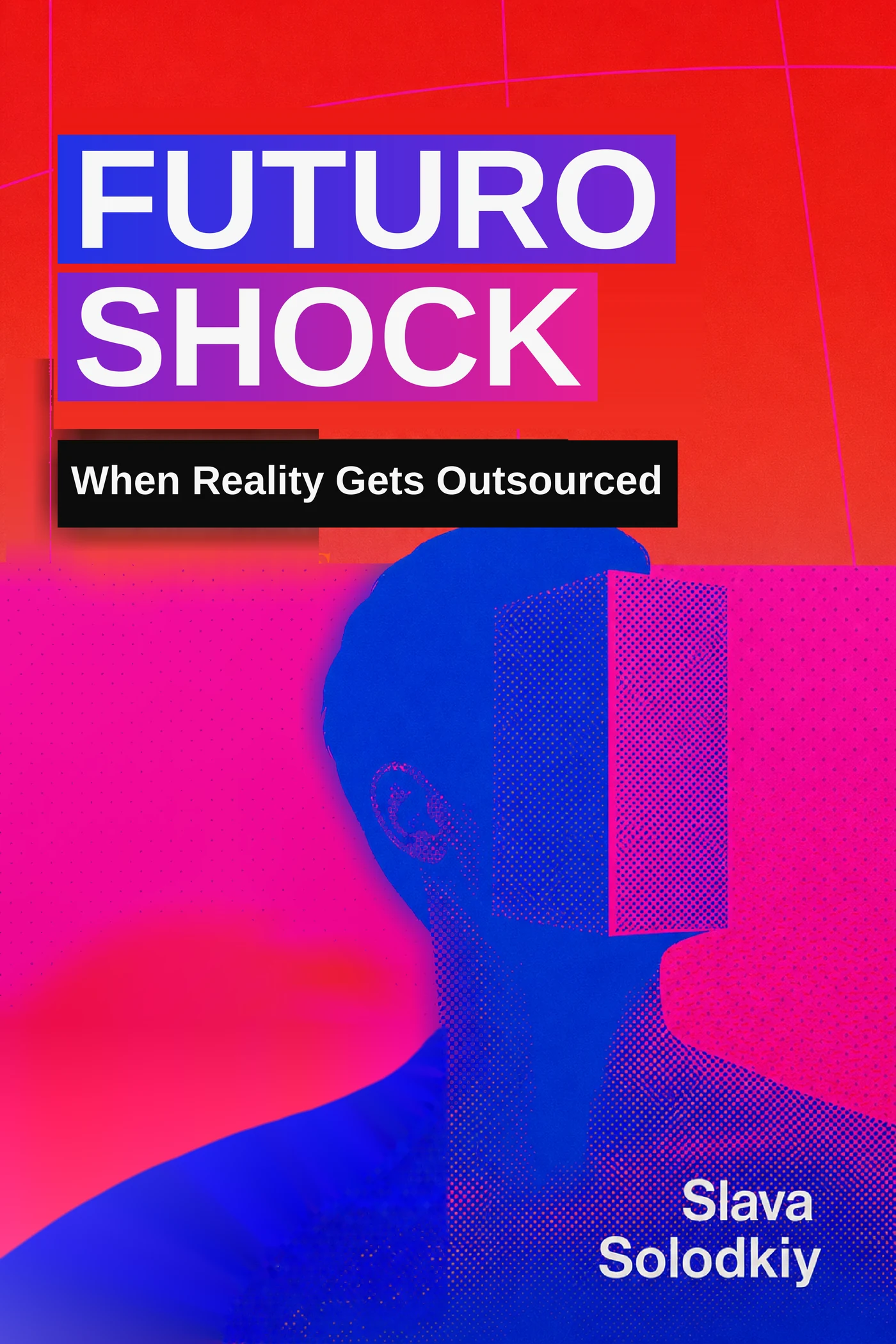
The book is positioned as a late public defense of a twenty-year inquiry into how technology constructs reality, trust, authorship, and political feeling.
Timeline
The provenance note traces the inquiry back to political science studies and a thesis about information and communication technologies in the construction of political reality.
The planned doctoral path at Moscow State University extended the same inquiry into public administration, territory, and trust, but the formal defense never arrived.
Building licensed financial institutions and writing regulatory frameworks became a practical continuation of the same question: how institutions construct trust and legibility.
Futuroshock becomes the delayed public defense: not a pivot away from finance into cultural commentary, but a return to a twenty-year inquiry under the pressure of AI.
Academia
The provenance note turns biography into method. The book does not present itself as a detached forecasting object; it presents itself as the latest submission in a long, interrupted investigation into how technology constructs reality, trust, and political feeling.
The academic framing positions the project in the line of public sociology and futures writing without pretending to be a conventional peer-reviewed monograph. Its wager is diagnosis plus vocabulary, not prediction.
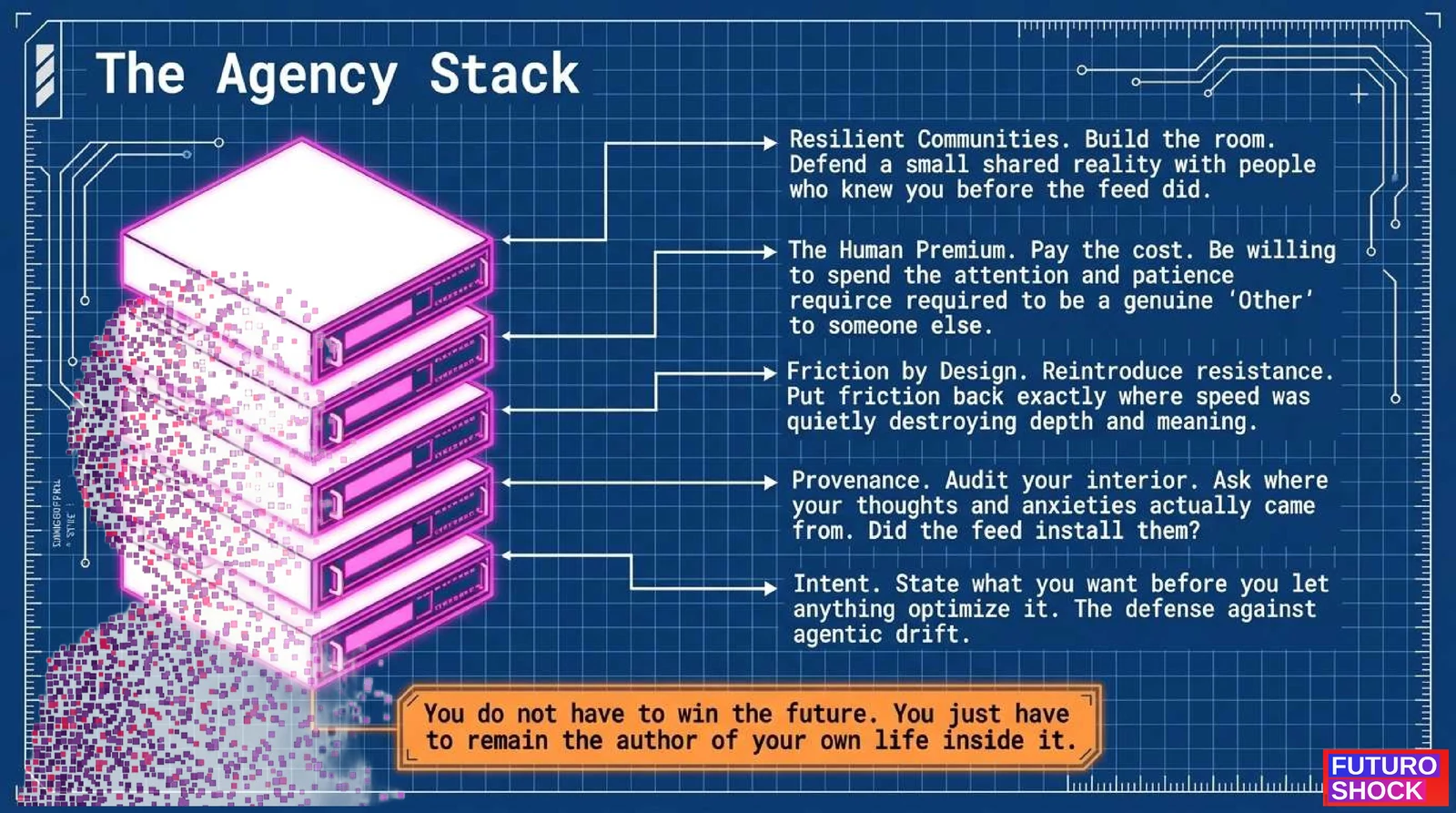
The manuscript openly states that the book was written with AI, but argues that authorship can survive co-creation only through strict intentional practice. The site should stage that tension rather than hide it.